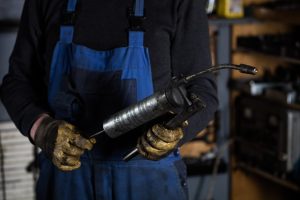

04/09/2026 by Cameron Clarke
Hardworking mechanical systems and equipment require proper lubrication for several reasons.
Lubricants mitigate friction, cooling components and defending parts against a range of threats like wear, contamination and corrosion. Whether machinery requires gear oil, grease or compressor oil, a supply of high-quality lubricants is necessary to tackle these jobs and guarantee both protection and performance.
Ineffective lubrication causes machine parts to become overheated and worn, leading to damage. While repairs are conducted or replacement components installed, equipment is inoperable and companies experience downtime at a loss of productivity and profit.
While ordering the best products available from top brands like Morris and Millers is a smart move, how they are deployed is also critical to maximise their benefits. As a maintenance approach, preventative lubrication has been proven to reduce machine downtime by as much as 30 per cent through dissipating heat, lowering friction and preventing damage to components.
Here, we put preventative lubrication beneath the microscope and examine best practices for operations to adopt before listing advanced strategies that enhance how lubricants are used onsite.
Core best practices for preventative lubrication
Using the optimal lubricant for a specific application is a crucial step. Always check your original equipment manufacturer (OEM) guidelines for recommended products that meet specific machine requirements.
With an understanding that work rates and operating conditions can vary, you should also consider speeds, loads and potential contaminants when selecting the right grade or grease or oil.
Applying the right amount of lubricant is also vital. Insufficient lubrication will result in metal parts becoming worn faster, while over-lubrication not only wastes inventory but can also blow out critical seals.
How lubricants are stored and used is also important. Keep storage containers sealed when not in use, and ensure work areas and fill points are clean to mitigate contamination from moisture and dirt. To avoid cross contamination between incompatible products, never share filling containers between different lubricants. Always ensure lubricants are clearly and correctly labelled and stored in the appropriate position in a dry and clean area located indoors when possible.
Oils and greases should also be organised in date order, so older stock is always used before new.
Change intervals should be carefully managed. Stick to established schedules that have been informed by monitoring and analysis. It is best to base grease applications and oil replenishment on either automated data triggers or calculated running hours for accurate results.
Advanced strategies for preventative lubrication
Today, many machine operators are taking advantage of available technology for more precise lubrication processes. Automatic and smart lubrication systems can ensure machines are fed exact amounts of fluid continuously to promote comprehensive protection and performance.
The condition of oil impacts its ability to perform its vital functions. Over time, oil naturally degrades – a process which can be accelerated if it is contaminated by air, moisture or solid matter.
To make certain that lubricants are fit for purpose and do not require replacement, their condition must be monitored regularly. Sight tests can identify some issues, but analysis will reveal the full extent of viscosity changes, oxidation levels, water contamination and the presence of metal particles (varnish) and other debris.
The human element in any operation is often the weakest link and can put lubrication processes and machinery at risk. As a result, it is critical that every operation trains each member of its team on the correct lubricant application techniques to mitigate potential misapplication methods.
Lubricant training should begin immediately during the onboarding process, and the knowledge and understanding of team members should be updated regularly to ensure it remains current.
Improving your bottom line with preventative lubrication
By putting effective protocols in place, every business can benefit from using preventative lubrication processes on site. From best core practices to advanced strategies, this proactive approach to lubrication promotes seamless operations without the interruption and expense of equipment downtime.
You may also interested in:
What are penetrating fluids and how do they work?
Metal fasteners such as nuts, bolts, rivets and screws are manufactured with exposed surfaces that are protected against
How often should you lubricate machinery?
The most important aspect of effective maintenance for any mechanical equipment is ensuring that it is