
02/10/2026 by Daniel Tait
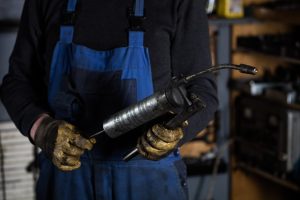
The most important aspect of effective maintenance for any mechanical equipment is ensuring that it is lubricated correctly on site.
Lubricating machinery properly helps to reduce friction, which in turn mitigates undue wear and tear, reduces the risks posed by corrosion, lowers operating temperatures and prevents contaminants from entering the system. Together, these benefits also help to extend the lifespan of machinery, giving equipment owners lower repair costs and a better return on investment (ROI).
When it comes to how often machinery should be lubricated, the frequency can vary considerably and depends on multiple factors. These can include the type of machine, original equipment manufacturer (OEM) recommendations, operating environment, operating hours and the parameters of a given application. For instance, some equipment, such as standard motors, only needs lubricating every few months, while other equipment may require a daily top-up to remain effective.
In this informative guide, we’ll lift the lid on lubrication frequency and explore some of the influencing factors to consider. We’ll look at the needs of different parts, the factors that can change how often lubrication is necessary and commonly adopted industry best practices. Read on to learn more.
Understanding equipment lubrication needs
Different mechanical components and systems require specific levels of lubrication. While lubrication intervals can vary between component manufacturers, there are some generally accepted practices for different parts, systems and mechanisms.
For instance, technicians should begin with three-monthly checks for standard industrial motors. However, they should adjust this interval based on the size and speed of the motor.
For gearboxes, operators are advised to change standard mineral oil lubricants every 2,000 to 4,000 hours of operation. Due to its enhanced formulation, synthetic gear oil requires less frequent top-ups and can last between 8,000 and 10,000 operating hours before replenishment is necessary.
Heavy-equipment joints, such as bushings and pins, need lubricating every 10 hours of intense use. Operators should inspect grease and oil levels daily before start-up.
For heavy-equipment engines, recommended oil-change intervals are typically between 250 and 500 operating hours.
Bearings require frequent applications of grease. Their role is to support the weight of rotating components, and they degrade quickly when they are not lubricated properly.
What factors can affect lubrication schedules?
Several factors can affect accepted lubrication frequencies. These include running time, load, speed and operating environment.
Machines that must run 24 hours a day require shorter intervals between services than tools that are used only occasionally. Furthermore, machinery that handles heavy loads or operates at high speeds requires more frequent applications of oil or grease, but in smaller amounts.
The operating environment is understandably a key concern. Machines operating in conditions with higher levels of dust, dirt or excess moisture require more frequent lubrication. In harsh environments, lubrication schedules should be tightened as required to ensure that equipment remains protected and operates optimally.
Best practices for lubricating equipment efficiently
When it comes to lubrication, machine users must be aware of how frequently they need to lubricate equipment. While the frequency may depend on many factors, it is vital to pay close attention to any signs of inadequate lubrication so that all parts are correctly maintained and protected.
Under-lubrication can result in damaged equipment and mechanical downtime, but over-lubrication can cause a build-up of unwanted debris and unnecessary inventory waste, which can affect your business’s bottom line.
For optimal results, a reliable approach is to be proactive when it comes to maintenance and monitor your lubrication intervals closely. Incorporate oil analysis to ensure that machinery is receiving the level of lubrication it needs to function, and review work orders and feedback from technicians to refine your intervals.
Whether you’re using gear oil from Castrol or gas engine oil manufactured by Shell, always consult your OEM’s advice on lubricating machinery to establish baseline intervals. Fine-tune them by taking your equipment usage and operating environment into consideration to obtain a more accurate assessment.
You may also interested in:
What are penetrating fluids and how do they work?
Metal fasteners such as nuts, bolts, rivets and screws are manufactured with exposed surfaces that are protected against
How to reduce downtime with preventative lubrication
Hardworking mechanical systems and equipment require proper lubrication for several reasons.