
26/04/2020 by Mark
Like many other industrial companies, oil major Shell has been making changes in its business to help combat the spread of COVID-19. In its latest move, it has converted a plant in Kenya, which it operates jointly with Vivo Lubricants, to make hand sanitiser for the Kenyan Government. The plant would normally be blending lubricant products.
Africa is thought to be particularly at risk from the pandemic because while healthcare systems on the continent have progressed greatly in recent years, they are still lacking in many respects, and some government structures are relatively weak. Ensuring the availability of hand sanitiser will be a valuable tool in slowing the spread of the virus and protecting health and care workers. Shell has also contributed towards a $30m donation to the Nigerian Government to fund healthcare facilities.
The company has also been expanding its production of isopropyl alcohol (IPA) in the Netherlands and Canada to keep up with demand. IPA is one of the key ingredients for making hand sanitiser, which requires at least a 60% concentration of alcohol, usually through IPA or ethanol, to be effective against the coronavirus and other germs. Customers requiring IPA for non-health applications have been asked to delay their orders wherever possible, and Shell has suspended other production lines, so they can be quickly converted to producing additional IPA if needed.
Shell is also participating in a Dutch consortium to develop a new type of protective medical mask, with Shell making some parts with its 3D-printers.
You may also interested in:

How to reduce downtime with preventative lubrication
Hardworking mechanical systems and equipment require proper lubrication for several reasons.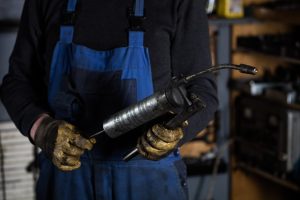
What is the difference between oil and grease?
From Castrol to Kluber, many lubricant manufacturers produce both oil and grease products.