06/11/2018 by Richard
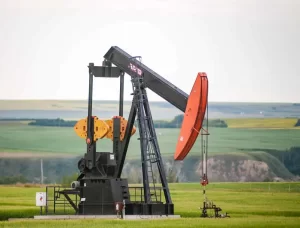
Speaking in Istanbul, Alexander Novak, Russia’s energy minister, has denied there may be a need to cut or freeze production levels in OPEC countries and their non-member partners like Russia, pointing to the risk of oil deficit.
Overall production levels among the participants in the OPEC-led production deal has risen in recent months following a relaxation in the terms of the deal, which was heralded as putting an a extra million bpd (barrels per day) on the market by eliminating over-compliance. Big increases from Russia and Saudi Arabia in particular have more than compensated for declines in Iran and Venezuela.
Novak’s comments contradict recent signals from OPEC that production may have to be cut again in response to rising global inventories. When asked if he also believed this, Novak said:
“For now, there are no grounds or reasons for it. Quite the opposite, as you see, there are now risks of the oil deficit.”
Novak added that there was a need to see how the situation developed in November before participating countries could decide to modify the terms of the deal at December’s policy meeting.
Oil prices had been falling at the time despite the imminent application of sanctions to Iran. Increased production from Saudi Arabia and Russia—as well as resurgent US oil production driven by shale operators like ExxonMobil, the maker of lithium-based greases like Mobilux EP 2-prompted investors to put aside the Iran concern for the time being as US stockpiles rose for the fifth week running.
You may also interested in:

How often should hydraulic oil be changed?
A critical factor in lubrication is understanding how frequently it requires replenishment.
Oil production in Nigeria at six-month high
Nigerian oil production recently reached its highest level in six years with no major outages, thanks to the continued stabilisation of operations.