
03/01/2017 by OilStoreAdministrator
Oil prices on Friday, December 30, which was the last day of trading in 2016, achieved their largest annual gain in seven years, despite ending at a lower number than the previous day.
The impressive gains were the result of a deal between members of the Organisation of Petroleum Exporting Countries (OPEC), which all agreed to lower oil output in order to cut a supply overhang that has kept prices low for a couple of years.
At the end of trading for 2016, West Texas Intermediate, which is the U.S. benchmark, was down 0.1% to $53,72 per barrel and Brent crude was down 0.1% to $56.82.
Speaking about the day’s trading to News.com, the president of Washington commodities broker Powerhouse, Elaine Levin, summarised that it had been a day of light trading, with many having already finished their deals for the year.
In 2016, Brent crude prices rose by 52%, whereas West Texas Intermediate was up by roughly 45%, equating to the biggest yearly gains since 2009, when gains of 78% and 71% respectively were recorded.
Oil prices have been in a slump since the summer months of 2014, when oil began a steady decline from highs of $100 per barrel. This has affected some of the biggest companies in the business, including Royal Dutch Shell, which makes Shell Gadus S2 V100 3. No turn the oil giants will have been pleased to see an apparent upturn in oil’s fortunes heading into 2017.
You may also interested in:
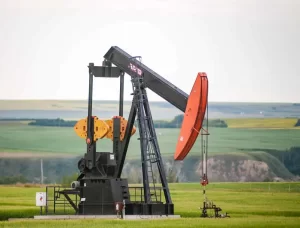
IEA predicts stronger US oil production growth
In its latest Short-Term Energy Outlook (STEO), the US Energy Information Administration (EIA) has upgraded its predictions for US crude oil production.
What causes foam in industrial oils?
In an industrial oil context, the term “foaming” refers to air bubbles accumulating on the lubricant’s surface.