
24/10/2024 by Richard
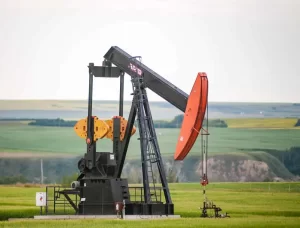
Analytics company Wood Mackenzie has forecasted that the world’s 23 largest gas and oil producers will increase their investment by 60% next year.
While the shift back to gas and oil production may seem odd in the middle of an energy transition, the move demonstrates that while the demand is still there for hydrocarbons, companies will supply it.
Wood Mackenzie points out that the oil majors are typically reinvesting about half their earnings, with much of this going into upstream projects, meaning greater exploration and production.
BP, which makes the Castrol coolant and metalworking range, originally intended to reduce its gas and oil production by 40% by the end of this decade, but this was subsequently reduced to 25% after Russia’s invasion of Ukraine highlighted fragility in the world’s energy market. It is now expected to drop the target completely.
The firm wrote that the shift back to gas and oil production was happening because companies were realising that the energy transition was taking place slower than expected:
“…implying that gas and oil demand may be stronger for longer. EuroMajors are looking to plug production and cash flow gaps by investing more in upstream. US Majors and some Emerging Majors have already used M&A to expand and extend upstream exposure. We expect more sector consolidation to come in 2025.”
Nevertheless, gas and oil companies are still investing in the energy transition, with Shell, Saudi Aramco, TotalEnergies, ADNOC and BP leading the way, each spending around $5 billion on low-carbon energy.
You may also interested in:

How often should hydraulic oil be changed?
A critical factor in lubrication is understanding how frequently it requires replenishment.
Oil production in Nigeria at six-month high
Nigerian oil production recently reached its highest level in six years with no major outages, thanks to the continued stabilisation of operations.