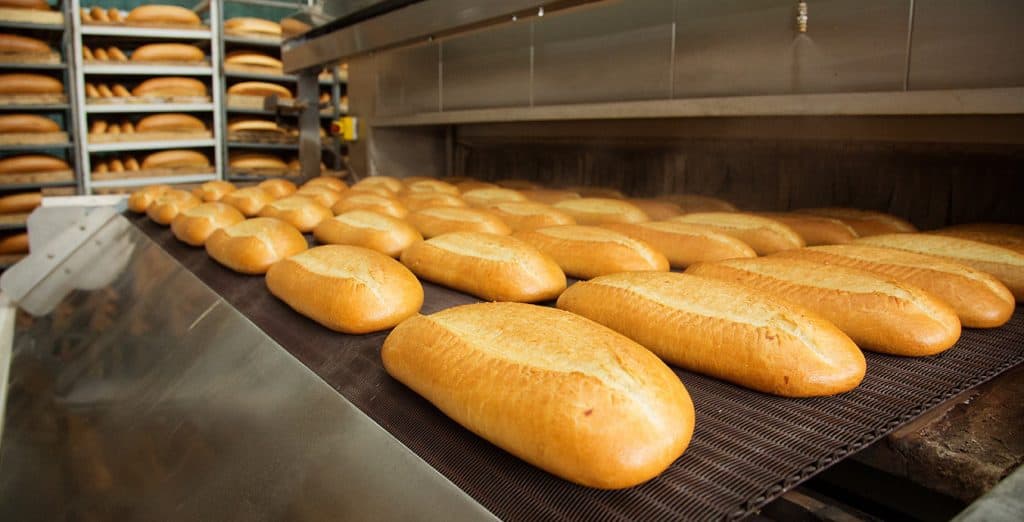
Existuje jen málo průmyslových provozů, kde je výběr maziva tak zásadní jako při zpracování potravinářských výrobků. Takové oleje musí být bezpečné pro potraviny, aby se výsledné potraviny mohly prodávat veřejnosti, a proto Oil Store pečlivě vybrala řadu maziv bezpečných pro potraviny a tuků vyrobených předními společnostmi na trhu, jako je např Mobil a Fuchs, aby vyhovovaly všem požadavkům na výrobu potravin. Existuje ochranná legislativa na ochranu veřejnosti, pokud jde o zpracování potravin, a proto musí být ta nejlepší maziva bezpečná pro potraviny náležitě certifikována tam, kde existuje jakákoli možnost kontaktu s potravinami. Produkty, které prodáváme, jsou obvykle certifikovány NSF a také registrovány NSF pro použití při zpracování potravin. Při formulování takových maziv je také brán zřetel na standardy kvality FLT. Některá maziva jsou navíc vyrobena na míru pro použití při extrémně zvýšených teplotách, jako jsou ta, která se nacházejí v závodech na zpracování a balení potravin a nápojů. Mezi další oleje a tuky bezpečné pro potraviny patří maziva vynikající kvality, která jsou navržena pro použití s typy ložisek, kompresorů, převodů a hydraulických systémů, které se často vyskytují v továrnách na výrobu potravin. Oil Store může dodat ten správný produkt pro dané zařízení na zpracování potravin a daný úkol, takže můžete objednávat s důvěrou. Nezapomeňte nás kontaktovat, pokud vám můžeme jakkoli pomoci s výběrem.
What are food-safe lubricants?
Food-safe lubricants, sometimes referred to as food-grade lubricants, are solutions that have been specially formulated to have non-toxic properties. They are specifically designed for lubricating machinery used in operations where incidental contact with consumable products can occur, such as in the beverage, food a pharmaceutical manufacturing sectors.Key characteristics of food-safe lubricants
Featuring a clean formulation, food-safe lubricants are free from heavy metals such as arsenic a lead, as well as teratogens, mutagens a carcinogens. They are engineered to have no taste, colour or odour, so they do not alter the appearance, aroma or flavour of consumable products. Food-safe lubricants are also non-toxic a chemically stable to help ensure safety if trace amounts enter a production batch. To safeguard sensitive consumers, they are also designed without common dietary allergens. Applications for food-safe lubricants often demand durability a high performance. As such, they can withstand an extreme range of temperatures, from cold-storage freezers to high-heat ovens, without evaporating or breaking down. To cope with aggressive cleaning chemicals a processes such as steam sterilisation, which are used to keep workplaces hygienic, they can also resist moisture. As robust lubricants, they effectively reduce mechanical friction a help prevent rust, extending equipment lifespan. They are also compatible with multiple materials found in food-safe applications, such as rubber seals, plastics a elastomers.Classifications of food-safe lubricants
There are different food-safe classifications for different applications.H1 lubricants
These food-grade lubricants are used in food-processing operations where there is the potential for incidental food contact. To achieve H1 approval, lubricant manufacturers such as Fuchs or Klüber must demonstrate that all ingredients in the formulation are permitted substances.H2 lubricants
Suitable for use on machine parts a equipment in areas where no contact with food or food-related products is possible, these lubricants may also be used as release agents on machinery.H3 lubricants
Sometimes called soluble oils, these lubricants are used to clean equipment a combat corrosion a rust on items such as trolleys a meat hooks. While they are food-grade, they must be wiped off before the equipment is used.HT1 lubricants
A type of heat-transfer oil, this food-safe lubricant is used in both primary a secondary cooling a heating systems at food-processing facilities where incidental food contact is a risk.3H lubricants
These lubricants are release agents, typically vegetable oils, used on equipment where contact with food is inevitable, such as blades, plates a seals.