24/11/2025 by Daniel Tait
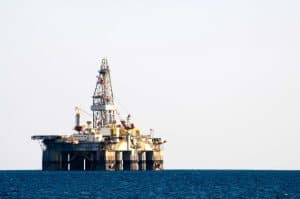
British oil and gas corporation BP has entered advanced negotiations with Seatrium regarding a contract for the floating production unit (FPU) known as “Tiber”.
Seatrium is a specialist in floaters, rigs, shipbuilding and offshore platforms as well as marine upgrades and repairs. While based in Singapore, it conducts its business on a global scale via shipyards in other countries like Brazil, Indonesia and the United Kingdom.
The recent talks come over six weeks after BP announced the final investment decision concerning the Tiber project, sited in the United States’ Gulf of Mexico.
The FPU is a vital element of the super major’s deep water development plans. It is specifically designed to facilitate hydrocarbon processing from one of the location’s largest deep water oil fields. The new project underscores BP’s continuing commitment to both maintaining and growing production in important offshore regions while using the latest innovations in floating production technologies.
Headquartered in London, BP is a leading multinational energy company. Originally known as the Anglo-Persian Oil Company when it was established back in 1909, BP is involved in all aspects of the oil and gas sector and invests in hydrogen and other lower-carbon energy sources as well. It also owns the Castrol lubrication brand, which produces a comprehensive portfolio of products ranging from agricultural oils to gear oils for the manufacturing industry.
Although the final terms of the contract have yet to be set, Seatrium’s recent engagement indicates confidence in its expertise in offshore engineering and fabrication services.
You may also interested in:
BP announces executive appointments
According to a BP press release, Meg O’Neill, who took over as Chief Executive officer in April, has appointed two new Executive Vice Presidents (EVPs).
New whitepaper calls for early collaboration on data centre cooling
Valvoline Global, Gray and Gray AES have together announced a whitepaper outlining the importance of including a fluid coolant strategy when designing new data centres.